
Making an animated film is fulfilling, as you finally get to add visuals to those stories and ideas that have lived in your head for some time. It is an opportunity for you to build worlds, inspire others, tell stories that could impact future generations, and even potentially garner a cult following. However, before you dive into layers, keyframes, and long rendering nights, let’s talk about five things you absolutely need to know to make the experience worthwhile—and successful.
1. Start with a Story Worth Telling
Before you open your animation software or sketch your first frame, ask yourself, What story am I longing to tell? Make sure your story is something that you care about, and if you’re like me and have a lot of ideas for stories you want to tell, then go ahead and pick the one you want to tell right now. When you believe in your story, the audience will too. Work on drafting up a script, select people you trust to read it and give their input, and take your time to fully develop the story and the characters. In this stage, you can also start developing your character designs or outsourcing them to a character designer.
2. Develop Your Skills—One Frame at a Time
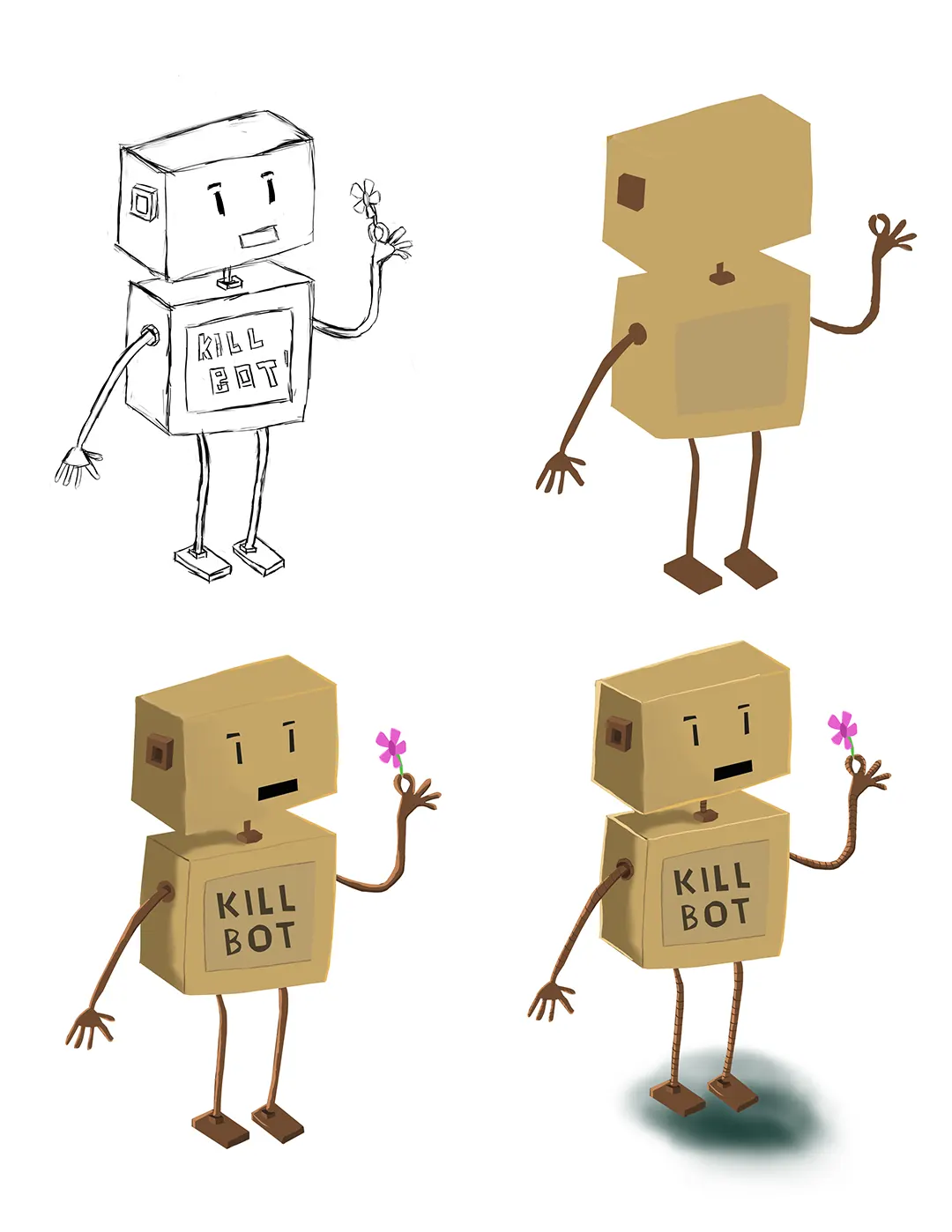
You don’t need to be the next Miyazaki to start animating, but you do need to sharpen your skills. Learn the fundamentals of animation, including timing, spacing, squash and stretch, and character acting. There are amazing free and paid resources out there—don’t be afraid to take online classes, follow YouTube channels that teach animation, study frame-by-frame animation, or just experiment. Animation is equal parts art and endurance. The more you practice, the more fluent your visual storytelling becomes.
3. Get Inspired (Then Make It Your Own)
All great creators draw from what inspires them. Watch animated films from different cultures. Read comics. Study music videos, indie shorts, or commercials; travel; or simply take a walk around your neighborhood and take pictures of what inspires you. You would be surprised at how you can be inspired by what is around you when you look at it through a different lens. It is also important to remember that if you are drawing inspiration from other artists, you are simply borrowing ideas, not identities. The goal is to spark your creativity, not to copy someone else’s work. Use inspiration to fuel your original vision.
4. Sound Isn’t Optional—It’s Everything
Animation may be a visual medium, but sound gives it soul. A great score, ambient noise, or a perfectly placed pause can completely reshape the tone of your scene. Even in short films, sound design adds emotional weight and rhythm to the visuals. Whether you use royalty-free scores and sound effects or choose to get something original created, ensure that the sound matches the energy and the emotion that you are trying to convey through the film.
5. Just Start
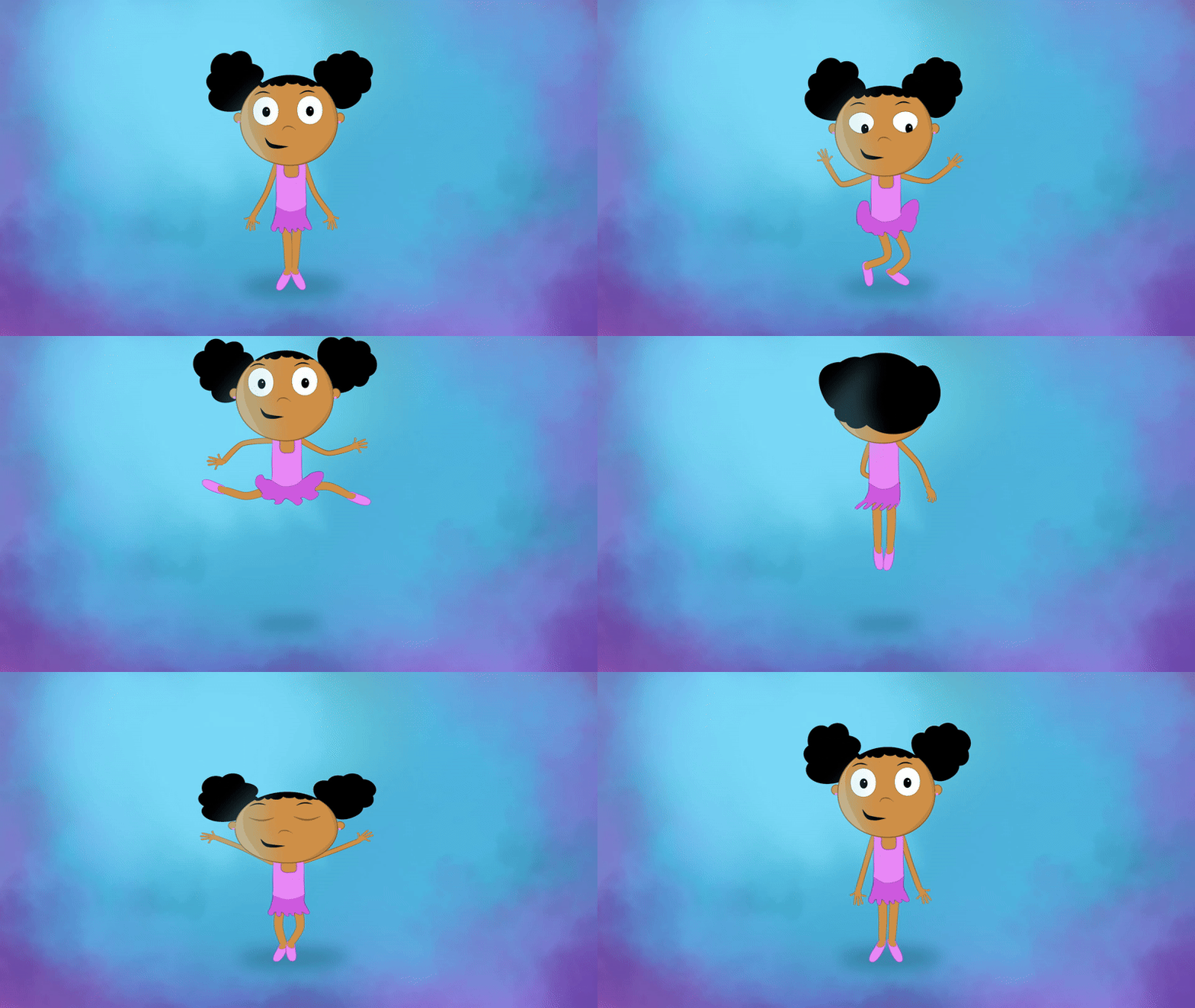
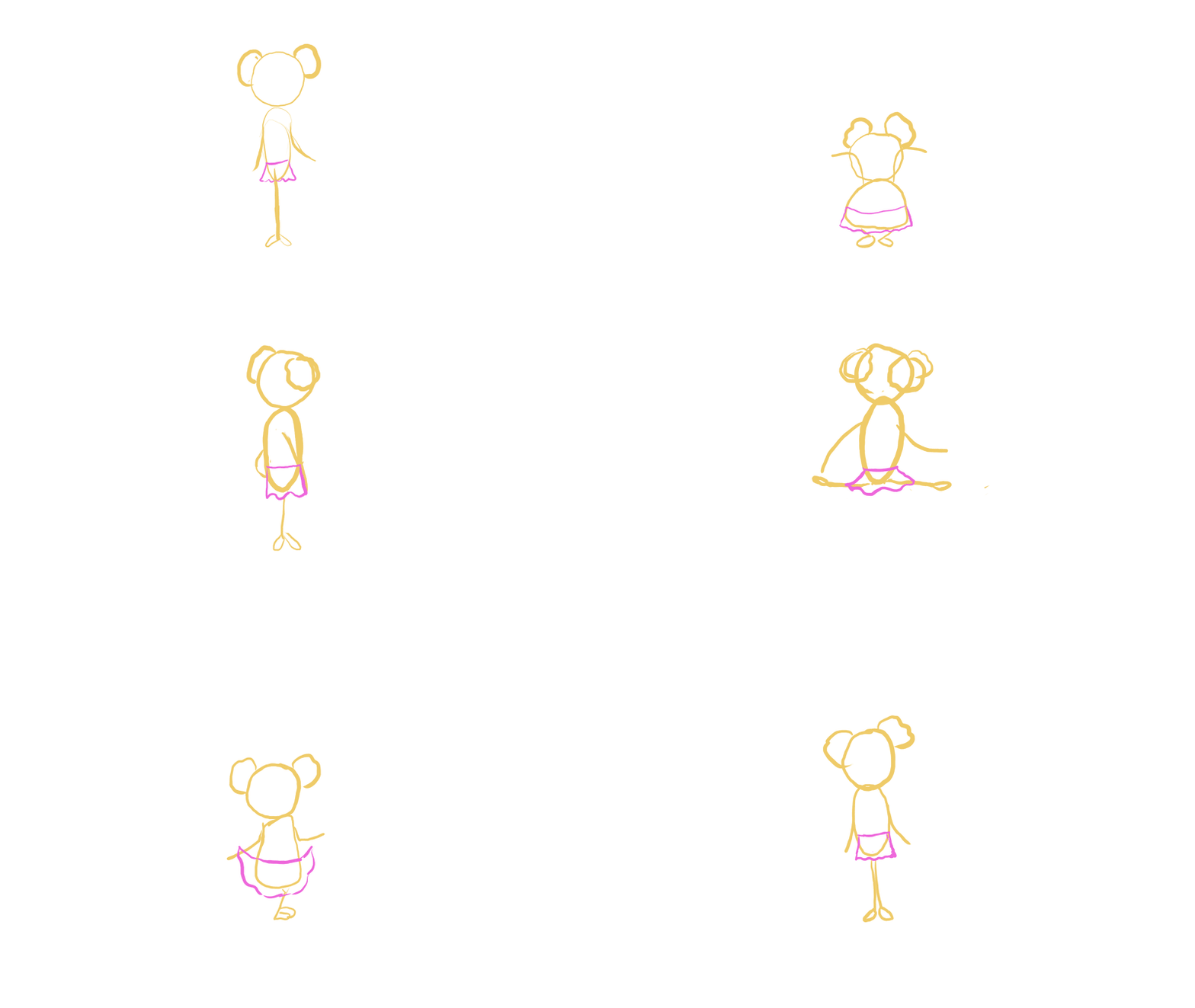
Trying to wait for things to be perfect to start is actually an enemy of progress. You don’t need the best equipment, the fanciest software, or a Pixar-sized team to begin. What you need is the will to start. If it’s you alone or if you are with a small team, start by making something short; there’s no need to feel the pressure of making a full-length film or 12-episode series on your first go. A sign of a good storyteller is if you’re able to tell a great story in a short amount of time, leaving the viewer wanting more. Make a pilot, a trailer, or a teaser. Make something weird, funny, scary, or action-packed. Just make something. The magic of animation is that you’re bringing your imagination to life—and the only way to learn is to get your hands dirty (digitally or on paper).
Ready to Create Your First Animated Film?
There’s no perfect time, no perfect moment. Just your story, your passion, and your drive to create. Start where you are, use what you have, and make something that moves you—because chances are, it’ll move someone else too.