
In a world facing urgent environmental challenges—from deforestation and ocean pollution to climate change and species extinction—raising awareness alone isn’t enough. To truly inspire action, we must connect with people on a deeper, emotional level. That’s where narrative storytelling comes in.
More than just a communication tool, storytelling is how humans have passed down knowledge, values, and warnings for millennia. When it comes to conservation, stories help us move beyond facts and statistics to something more powerful: meaning.
1. Narrative Storytelling Crosses Borders and Cultures
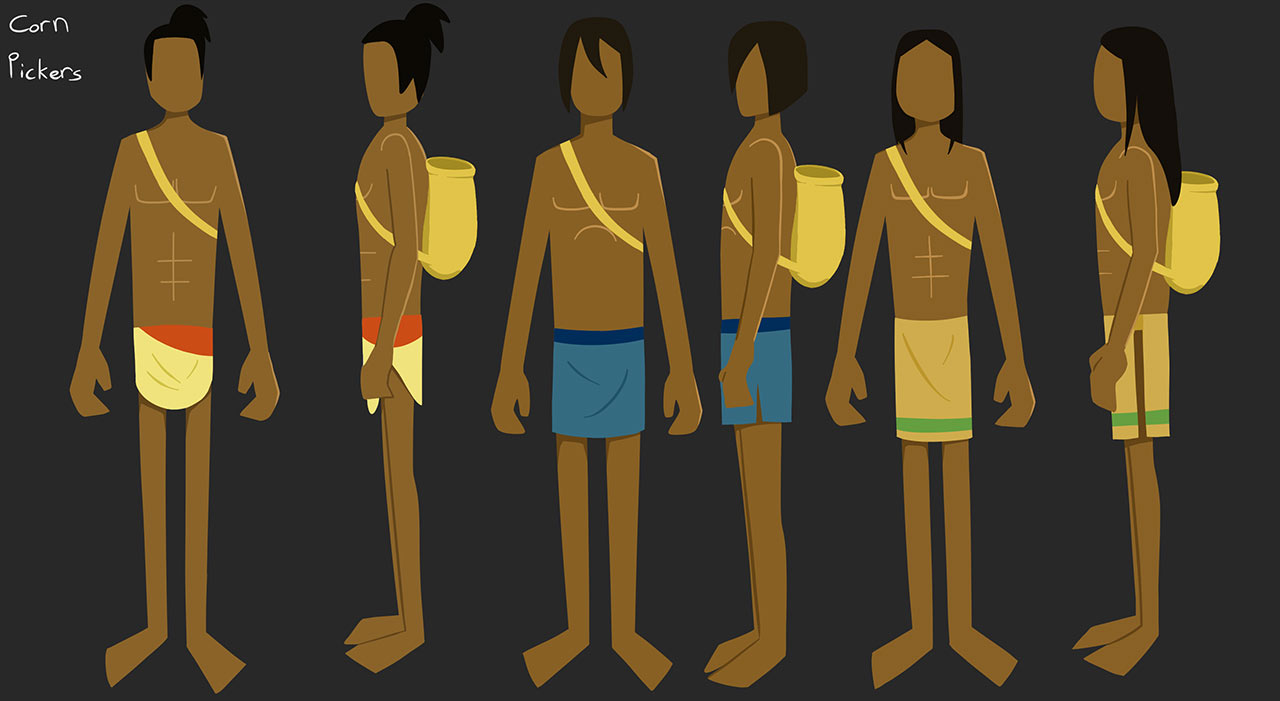
Narrative Storytelling, especially in the form of animation, can transcend language, geography, and cultural boundaries. Regarding conservation awareness, a compelling animated short about coral reef decline or deforestation can resonate just as deeply in Japan or South Africa as it does in Belize.
When we see ourselves in these stories or understand that we share a common problem, we create empathy and understanding, two vital ingredients for building global support for local conservation issues.
2. An Engaging Way to Educate
Conservation can sometimes be presented in an overly technical way, while the information being shared is very important -whether it be reports, policy debates- they often fail to capture the attention of stakeholders who are the everyday individual being directly affected, especially younger audiences
Narrative storytelling in the form of an animated film or short, for example, can turn a lesson about plastic pollution into an adventurous tale of an endangered manatee in search of a new clean home due to pollution. The issue at hand then becomes relatable and- most importantly- It sticks.
3. A Way to Share Complex Information
The environment is incredibly complex. Ecosystems are interconnected, policies are layered, and scientific data can be overwhelming. Narrative storytelling distills these complexities into digestible, understandable messages.
A short animated story can illustrate the entire water cycle or show how deforestation affects weather patterns, without requiring a textbook. Stories help us simplify without dumbing down, allowing a broader audience to grasp and care about intricate issues.
4. People Remember Great Stories for Generations
Facts can fade, but stories stay with us. Think of the stories you heard as a child, or the animated movies that have truly inspired you and remain with you to this day. Take the bible for instance. Though the stories there are over 2000 years old, it still is the basis of Christian faith today.
That’s the legacy of a good story: it lives on. When used in conservation, storytelling has the potential to create a generational impact. A powerful narrative today can inspire a child to become tomorrow’s environmental leader.
In Conclusion
Narrative storytelling isn’t just a creative choice—it’s a strategic one. It engages hearts as well as minds, simplifies complexity, transcends borders, and creates lasting memories. Through mediums like animation, we can tell conservation stories that not only raise awareness but also spark empathy, action, and change.
Because when we tell better stories, we build a better world. And the story of our planet is far from over—it’s ours to shape, one chapter at a time.